Neuralia TMS Breaks Down TMS Therapy Cost and Insurance Options
Australia, 20th Nov 2026 – Neuralia TMS, a specialist provider of transcranial magnetic stimulation (TMS) in Perth, Western Australia, has announced a plain breakdown of how funding works for patients considering TMS therapy, covering Medicare, referrals and private health insurance. According to the company, the explanation sets out which parts of a course are funded, which are not, and where patients are asked to confirm their circumstances before booking.
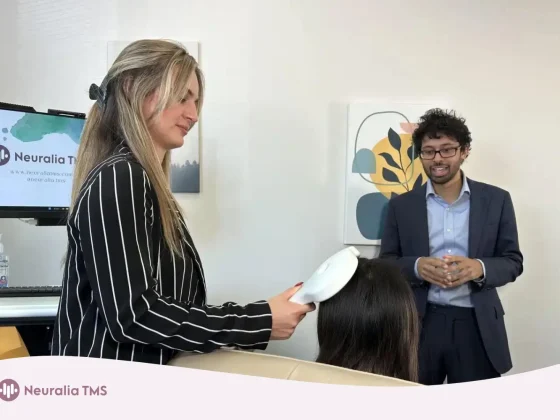
Neuralia TMS provides a non-invasive form of brain stimulation (link pending) in a specialised TMS suite, the company said. TMS uses an electromagnetic coil placed against the scalp to deliver magnetic pulses, and treatment is arranged as a course of sessions rather than a single visit. The company also offers transcranial direct current stimulation, known as tDCS, and pharmacogenetic testing, with clinics in Como, Kardinya and Armadale.
What the Announcement Means for Medicare Patients
Medicare is Australia’s public health insurance scheme, and some services attract a Medicare rebate when set criteria are met. According to Neuralia TMS, most patients on an initial Medicare-funded course pay $0 out of pocket for TMS at the clinic. The company states that Medicare covers up to 35 sessions in an initial course, and that a course is typically delivered five times a week over four to six weeks.
“Patients should be able to see what Medicare funds and what it does not before they book,” said Dr Shanek Wick, Medical Director of Neuralia TMS. “Eligibility depends on each person’s history, which is why the clinic asks patients to check their circumstances with the team.”
The company also states that a rebate applies only when every eligibility requirement is met. Previous TMS in any setting rules out the initial-course Medicare item, Neuralia TMS said, and an earlier course of treatment on its own does not show that a patient qualifies for a rebate. Patients are asked to contact the clinic about their circumstances, and the company refers them to a separate article on Medicare coverage for the full criteria.
How Referrals, Retreatment and Maintenance Work in Practice
A referral from a general practitioner or psychiatrist starts the Medicare eligibility process, although a referral does not establish eligibility by itself. Neuralia TMS says general practitioners can refer patients by Healthlink, fax or email using a standard referral letter, or through a secure online form. A team member then contacts the patient to book the first appointment. The team reviews the patient’s medical history and consults the referring practitioner before a treatment plan is prepared.
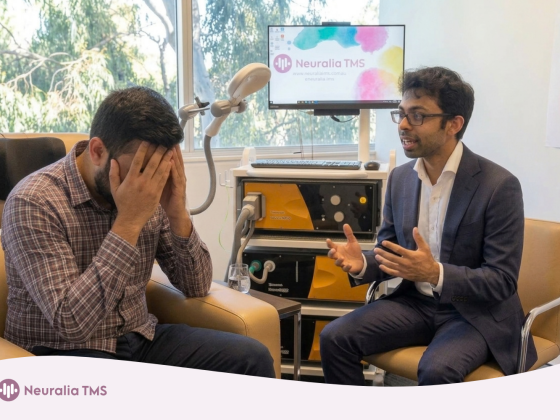
Separate arrangements apply to further treatment. Up to 15 retreatment sessions may be covered if needed, starting four months after the initial course, the company said, provided the criteria are met. Stand-alone maintenance TMS outside the initial and retreatment courses is not funded under the Medicare items, according to Neuralia TMS.
Patients who are not eligible for Medicare are directed to ask the clinic about their circumstances before booking. Enquiries from the Department of Veterans’ Affairs community are directed to a dedicated DVA cost resource or to the clinic team.
What Private Health Insurance May and May Not Cover
On private cover, the company says that private health insurance rarely covers the psychiatrist’s professional fees for TMS sessions delivered in a community setting. It advises patients to check with their insurer about those fees before starting treatment. Insurers set their own policy terms, and cover differs between funds and between levels of cover, so the company’s guidance is to confirm the details directly with the insurer rather than assume that a policy applies.

The statements in this release describe the arrangements as Neuralia TMS sets them out, and they do not amount to a promise of coverage for any individual patient. The company said that questions about funding can be put to the clinic by email before an appointment is made.
Looking Ahead
Neuralia TMS said the funding information is intended as a starting point, and that each patient’s position is confirmed individually once a referral has been received and the clinic has reviewed it.
“Clear funding information matters because the rules apply differently to each person, and the aim is for every patient to understand their position before treatment begins,” said Dr Wick. “Patients with questions are welcome to contact the clinic, and the team will go through their circumstances.”
About Neuralia TMS
Neuralia TMS is a Perth based provider of transcranial magnetic stimulation. The company also offers tDCS and pharmacogenetic testing, and its medical director is Dr Shanek Wick, a specialist psychiatrist.
For additional information about TMS therapy cost and related mental health service developments, contact Neuralia TMS by email at info@neuralia.com.au or call 1 6230 3996. The clinic is located at Unit 2A/125 Melville Parade, Marview House, Como, WA 6152.
Media Contact
Organization: Neuralia TMS (Como)
Contact Person: Dr Shanek Wick
Website: https://www.neuraliatms.com.au/
Email: Send Email
Contact Number: +6162303996
Address: Unit 2A/125 Melville Parade
Address 2: Marview House, Como WA 6152
Country: Australia
Release id: 50971
View source version on King Newswire:
Neuralia TMS Breaks Down TMS Therapy Cost and Insurance Options

Disclaimer: The views, suggestions, and opinions expressed here are the sole responsibility of the experts. No Economy Circle journalist was involved in the writing and production of this article.